Fintech 2025: What’s Shaping the Future of Financial Services

The world of fintech never slows down—and 2025 looks like it’s going to be a big year. With technology moving fast and customer expectations getting even higher, the financial services industry is headed for a major shift. From smarter AI tools to seamless payments and ethical finance, we’re seeing a wave of innovation that’s changing how people save, spend, and manage money.


Here’s a look at the top trends we believe will shape the fintech space in 2025—and beyond.

1. Personal Finance Gets (Even More) Personal

We’ve all gotten used to apps that help us track spending and suggest better habits. But in 2025, personalization is about to go next level. AI will understand not just what you do with your money—but why. Imagine your budgeting tool knowing you’ve just moved cities and automatically adjusting your goals. Or your savings app nudging you at just the right time, based on your habits. That’s the kind of real-time, deeply personal experience we’re heading toward.

2. Embedded Finance Becomes a Daily Habit

Ordering groceries and need credit? Booking a ride and want insurance? In 2025, financial services will be part of everyday apps—so seamless, you might not even realize you’re using them. We’re moving from just embedded payments to a world where lending, investing, even salary access is built right into your favorite platforms. It’s all about ease and convenience, and it’s becoming the new normal.

3. Real-Time Payments Everywhere, Including Across Borders

Waiting for payments to clear will soon be a thing of the past. Thanks to global payment rails, instant transfers will be possible—whether it’s sending money to a friend locally or paying a supplier abroad. Standards like ISO 20022 and solutions like SWIFT GPI and RippleNet are laying the groundwork for this. In 2025, money will move as fast as we need it to.

4. DeFi Grows Up—and Gets Regulated

Decentralized finance (DeFi) has always promised transparency and control. Now it’s entering a new chapter—one that works within regulatory frameworks. Financial institutions are warming up to the idea of “regulated DeFi,” where the benefits of decentralization (like smart contracts and tokenization) are balanced with compliance and trust. Expect to see more of this hybrid model emerging in 2025.

5. Open Banking Grows Into an Ecosystem

Open banking isn’t just a trend—it’s becoming the foundation of how financial services operate. APIs are helping banks and fintechs work together more closely, offering customers more choice and more tailored services. In 2025, the ecosystem approach will be key, with more partnerships and more creative offerings built on secure, open platforms.

6. Smarter Fraud Protection with Less Friction

Fraud is getting more sophisticated—and so are the tools to fight it. AI is helping fintechs catch fraud in real-time, using everything from behavior patterns to biometric signals. The best part? Customers won’t feel the security checks. With smarter onboarding and frictionless verification, the experience stays smooth while the protection stays strong.

7. Financial Wellness Becomes a Priority

Money management tools are growing up, and they’re doing more than just helping people budget. In 2025, we’ll see platforms focused on complete financial wellness—especially for Gen Z and gig workers. From credit tips to savings nudges and investment micro-lessons, these all-in-one platforms will make managing money easier, and a lot more human.

8. Fintech Gets a Green Heart

Sustainability is no longer a nice-to-have. In 2025, we’ll see fintechs offering products that help users track their carbon footprint, choose green investments, or access eco-friendly loans. As customers become more conscious of their choices, fintechs will have a big role in driving ethical finance forward.

9. Voice-Driven Finance Becomes Reality

We’re already talking to our phones—now we’ll be managing our money the same way. In 2025, voice commands and conversational AI will make tasks like sending money or checking your balance feel effortless. Whether it’s through WhatsApp, Siri, or your favorite smart assistant, banking will be just a conversation away.

10. Digital IDs and Biometrics Make Life Easier

No more endless forms and forgotten passwords. Digital identity wallets and biometric authentication are making onboarding and verification simple and secure. By 2025, fintechs will be working with governments and global partners to create a seamless ID experience—one that makes accessing financial services quicker and safer.

11. Getting Ahead of Quantum Threats

Quantum computing is still in its early stages, but fintechs aren’t waiting around. Quantum-resistant encryption is starting to make its way into core systems. It’s all about future-proofing—so that the data you protect today stays safe tomorrow, no matter how powerful technology becomes.

Wrapping it up…
Fintech in 2025 won’t be just about new tools—it’ll be about creating experiences that are fast, personal, secure, and ethical. As these trends take shape, we’re excited to work with our partners to build solutions that keep customers at the center.
At Craft Silicon, we’re not just watching these shifts—we’re helping drive them. The future of finance is already taking shape, and we’re here for it.

From Complex to Nimble: How We’re Redefining Core Banking for the Next Generation

In today’s financial landscape, core banking systems are expected to do more than just “work.” They need to adapt, innovate, and scale—all without breaking the bank or the back office. Unfortunately, many institutions are still burdened with legacy systems that are rigid, siloed, and expensive to maintain.

At Craft Silicon, we’ve been listening to our clients. From tier-one banks looking to modernize, to microfinance institutions expanding across borders, the message is clear: “We need a smarter, faster, and more flexible core.”


That’s exactly why we built Nimble.

The Problem: Legacy Systems Are Slowing Financial Growth

Across Africa and Asia, financial institutions are facing a common challenge: scaling up digital capabilities while managing outdated core systems. Some of the issues our clients faced before Nimble include:

  • Long product rollout cycles due to hardcoded configurations
  • Limited integration capabilities with fintechs, wallets, or digital lending platforms
  • High infrastructure costs and slow system performance during peak hours
  • Difficulty complying with evolving regulatory requirements in real time

These pain points don’t just affect operations—they delay innovation and impact customer satisfaction.

The Solution: Nimble, A Core Built for Change
Nimble is our response to these challenges: a cloud-native, API-first, modular core banking system that puts flexibility and speed at the center.
We’ve already seen transformative results with early adopters across Kenya, Tanzania, and South Asia:

  • Reduced product launch time from months to weeks
  • Seamless integration with mobile money, agent banking, and wallet services
  • Real-time transaction processing with no downtimes
  • Instant compliance updates tailored to local regulatory environments

Why It Works: Nimble in Action
Nimble works because it was built from the ground up to solve real-world banking problems:

  • Product Agility: Launch, modify, or sunset banking products with no code-heavy deployments
  • Open Integration: Connect to any fintech partner via open APIs—no vendor lock-in
  • Multi-Channel Ready: Supports mobile, branch, agent, and digital banking seamlessly
  • Secure by Design: Includes fraud detection, role-based access, and biometric authentication layers

This means banks and MFIs don’t need to spend years overhauling their tech stack. They can modernize step by step—at their own pace, with full support from us.

It’s Not Just Technology. It’s Partnership.
At Craft Silicon, we don’t just drop in software and walk away. Our success is tied to our clients’ success.
With Nimble, we offer:

  • Tailored implementation strategies based on your current system and goals
  • Hands-on training and support for your operations, tech, and compliance teams
  • Scalable modules to grow with your institution’s ambitions

We’ve made it our mission to democratize modern core banking, not just for the big players—but for every financial institution ready to lead the digital era.

Your Core Shouldn’t Hold You Back. It Should Drive You Forward.
The future of banking belongs to institutions that can move fast, launch smarter, and serve better. Nimble is here to make that future accessible.
If you’re ready to leave behind limitations and embrace a truly modern core, let’s talk.

What Makes Craft Silicon a Great Place to Work?

Last Friday, we hit an exciting milestone — Craft Silicon is now Great Place to Work® Certified! This recognition goes beyond the walls of our offices and into the hearts of every team member who makes this place what it is. It’s a celebration of our culture, our values, and the everyday moments that make working here meaningful. So… what makes Craft Silicon a Great Place to Work?



1. People-First Culture

We’re a tech company, but our real strength lies in our people. Empathy, trust, and collaboration are the invisible threads that hold us together. We don’t just build fintech solutions — we build connections, too.

2. Freedom to Innovate

Have an idea? Try it. We believe innovation flourishes in environments where people are trusted to explore, fail fast, learn faster, and keep going. No red tape. Just real opportunities to grow and contribute.

3. Diversity That Drives Us

Our teams span across Kenya, Uganda, India, and beyond. Every culture, every accent, and every perspective adds flavor to our daily grind — and we love it. We’re not just diverse — we’re proudly global.

4. Focus on Work-Life Balance

Yes, we hustle hard — but we also rest well. Whether it’s flexible work arrangements, mental wellness programs, or the occasional recharge day, we make space for life outside work. After all, balance isn’t a perk — it’s a necessity.

5. Recognition and Reward

At Craft Silicon, wins (big or small) never go unnoticed. From monthly shoutouts to performance rewards and spontaneous high-fives, we make it a point to celebrate people, not just results.

6. Supportive Leadership

From our Group CEO Kamal Budhabhatti and our CEO Priya Sodi to team leads across the board, leadership here is present, approachable, and people-focused. We don’t just talk about mentorship and growth — we live it, every day.

7. Learning Without Limits

The only thing better than building products? Building yourself. Our culture encourages continuous learning — through hands-on exposure, leadership programs, and opportunities to take on new challenges.

8. We’re Super Cool

Let’s be real — we’re not just another tech company. We’re sharp, agile, bold, and yes, we have fun doing what we do. From serious hackathons to relaxed hangouts, casual Fridays to gratitude walls — life at Craft Silicon is anything but boring.

Wrapping it up…
Becoming a Great Place to Work®  wasn’t the goal — it was the result of doing the right things, consistently.
As we continue to shape the future of fintech, we remain rooted in a simple belief: when you create an environment where people can thrive, everything else follows.

To everyone who makes Craft Silicon what it is — this badge belongs to you.
We are proud.
We are driven.
And yes — We Are Craft Silicon.

Why Human-Centric Fintech Is at the Heart of Craft Silicon


In the fast-paced world of financial technology, it’s easy to get lost in the buzzwords—AI, APIs, cloud-native, blockchain. But behind every line of code, behind every transaction, there’s one thing that matters more than anything else: people.
At Craft Silicon, we’ve never forgotten that. And we never will.

Human-Centric by Design, Not by Trend
While others build for platforms, we build for people who use them—bank customers, loan officers, tellers, agents in the field, and the developers who keep financial systems running.
Being human-centric isn’t about soft talk. It’s about deep listening, solving for real problems, and building fintech tools that empower, not overwhelm.

We Build for the Real World

Across Africa and Asia, millions of people interact with our platforms every day—sometimes on a smartphone in Nairobi, sometimes through an agent in a remote town in Uganda, or from a SACCO branch in Tanzania.
Our design principles are shaped by that reality:

  • Offline-first thinking for low-connectivity areas
  • Local language support where accessibility matters
  • Intuitive UIs for users who are new to digital banking
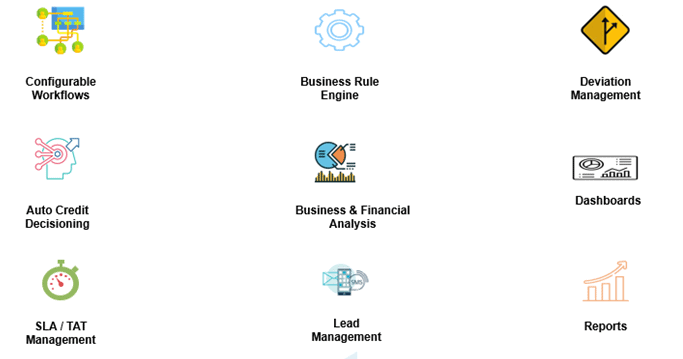
  • Configurable workflows for institutions that need to adapt fast

We don’t just digitize processes. We humanize banking.

Simplicity at the Core

From our Nimble core banking platform to the SmallTalk, Spotit, and MySalary, we obsess over reducing friction. Because the best fintech doesn’t just work—it feels easy, even when solving hard problems.

  • A loan disbursement that takes 2 taps
  • A customer onboarding journey that finishes in 3 minutes
  • A mobile banking experience that doesn’t need a manual
    That’s human-centric fintech.

We Co-Create With Clients
Being people-first means working shoulder to shoulder with our partners—banks, SACCOs, MFIs, and fintechs—not just delivering software.
We host:

  • ECHO feedback sessions to capture real pain points
  • Design sprints with client teams to co-define product journeys
  • Regional onboarding that respects cultural and business nuances
    It’s not just our UX that’s human-focused. It’s how we work, train, and support.

Technology With a Heartbeat
We’re proud of our tech stack—cloud-native, modular, secure, and scalable.

But what makes Craft Silicon different is this:
We build with the heart of a human and the mind of a technologist.
We don’t just deliver innovation—we make it usable, inclusive, and kind.

Let’s Build the Future—For People
As we move towards the next decade of digital finance, the winners won’t be the fastest or flashiest. They’ll be the ones who build with intention, inclusion, and impact.
At Craft Silicon, we’re proud to be more than just a fintech engine.
We are—and will always be—a human-centric force for financial change.

Author: Pramodkumar Sahoo | Head of Development – Financial Inclusion & Innovation

With over 20 years of experience in building inclusive and scalable technology solutions, Pramod Kumar Sahoo leads Craft Silicon’s financial inclusion and innovation vertical. He has been at the forefront of developing digital platforms that bridge the gap between cutting-edge fintech and last-mile accessibility.

From rural banking agents to mobile-first microloan platforms, Pramod’s work has consistently focused on democratizing financial services through smart design and purposeful innovation. His expertise lies in low-bandwidth architectures, agent banking systems, digital lending, and rapid onboarding tools tailored for underserved markets across Africa and Asia.

Pramod believes that technology isn’t truly powerful until it’s accessible—and that true innovation starts with empathy.

The Rise of Digital Wallets: What Banks Must Do to Stay Relevant

Digital wallets are no longer just another tech trend; they’re quietly reshaping the very foundation of banking. The real shift isn’t about “apps replacing branches,” but about who truly owns the customer relationship in a world where most transactions begin with a tap on a screen rather than a visit to a branch. From my standpoint as a product trainer, the transformation is very clear. Customers no longer ask how to use net banking. Instead, their questions revolve around failed UPI transfers, adding cards to wallets, or the safety of scanning a QR code at an unfamiliar store.



 

The day-to-day banking conversation has moved squarely into the wallet and payments ecosystem, whether banks choose to acknowledge it or not. Yet many banks still treat this space as an add on rather than the core of customer engagement. The bigger risk for banks isn’t losing customers overnight, it’s becoming invisible. When someone uses a big-tech wallet multiple times a day, that wallet becomes the brand they see, trust, and interact with, even though their money still lives in a bank account. And once the wallet begins offering its own cards, credit lines, or savings products, the bank slips further into the background. It still carries the responsibilities, but it’s no longer the customer’s first point of contact. That imbalance should worry every banking leader.

So, what can banks do realistically?

First, they must accept that digital wallets are now a primary channel, not an optional convenience. Journeys should be designed with the assumption that customers will start with a wallet for everyday spends, bill payments, and peer-to-peer transfers. And before chasing “super-app” dreams, banks must get the fundamentals right: dependable transaction success, transparent communication on limits and charges, and simple, predictable resolution when something goes wrong. Most customers aren’t looking for special features. They simply want assurance that their payment will either succeed or be reversed without delay. If customers have never witnessed a failed transaction, or never walked through a refund flow, their confidence will naturally be high. Customers immediately pick up on that.

Banks also need clarity on where to compete and where to collaborate. A mid-size bank cannot out-design the user interface of a global tech giant’s wallet, but it can excel in specific journeys such as salary credits, SME collections, or recurring payments by offering consistency, clarity, and well-prepared support. And when the bank serves as the backend rails for someone else’s wallet, its focus should be on reliability and compliance, not on forcing visibility that customers may not care about.

Ultimately, the future isn’t “wallets versus banks.” It’s “wallet-enabled banks” versus those stuck in a branch-centric mindset. Digital wallets are simply revealing who is ready to adapt and who isn’t. Banks that pair thoughtful product strategy with genuine investment in human capability and train their teams to think, speak, and operate in the digital wallet world will remain relevant. Those that treat wallets as a minor add-on may eventually realize that while their name still sits on the account, their relationship with the customer has silently slipped away. Failing to adapt is no longer an option, the future of banking will be defined by those who embrace the digital wallet revolution today.

Author: Vinith S. | Associate Product Trainer

With over three years of experience in Learning & Development, Vinith has designed and delivered impactful training programs for teams at Flipkart, BigBasket, and Craft Silicon. He has contributed to learning content development, creating training modules, process guides, and assessments tailored to organizational needs. Known for an engaging and practical training style, his primary focus is to ensure clear, structured, and meaningful learning, enabling employees to confidently apply skills in real work scenarios. At Craft Silicon, he focuses on creating learning content, delivering product trainings, and strengthening overall training effectiveness.

Fintech Partnerships: Why Banks & Fintechs Are Partnering in India

Picture a bank that feels as modern as your favourite app, approving loans in minutes and letting you pay with a quick scan. This is the magic happening in India as banks and Fintech companies join forces. These Fintech partnerships are transforming banking, making it faster, simpler, and more accessible. Let’s explore why banks and Fintech companies are becoming the dream team of India’s financial world.

Fintech Partnerships

First, Fintech companies bring cutting-edge technology to banks. For example, BR.Net, a core banking solution developed by Craft Silicon, help banks offer seamless services such as instant account openings and loan disbursements. Banks often struggle to build such tech quickly due to legacy systems. But such scalable solutions integrate easily, enabling banks to provide user-friendly apps. BR.Net has powered banks like Ujjivan Small Finance Bank to deliver accessible banking at branches, improving customer service and scalability. This partnership allows banks to modernize while Fintechs gain access to millions of bank customers.

Second, these collaborations expand financial inclusion. Virtual Lending Solution enables banks to offer digital loans remotely, reaching rural and unbanked populations. With tools like TruCell, field staff can manage loan collections and disbursals via mobile apps, connecting banks to remote customers. Banks provide regulatory trust and infrastructure, while Fintechs support multilingual and multi-currency options, ensuring services reach diverse geographies. This has helped institutions like IIFL Samasta scale across India, bringing banking to underserved areas.

Third, the products provided by Fintech companies enhance customer experiences. Take the example of GLOW and Customer App platforms, developed by Craft Silicon. These apps give both banks and customers a comprehensive view of loan portfolios, enabling personalized offerings like tailored savings plans or loan products. For instance, TrackOD helps banks manage overdue loans efficiently, ensuring smoother customer interactions. By combining Fintech solutions with banks’ trusted networks, customers enjoy 24/7 banking, lower costs, and innovative features like real-time credit scoring. These partnerships create delightful, hassle-free banking that keeps customers coming back.

Finally, co-lending models are booming. Fintech’s Co-Lending Software supports banks and NBFCs in sharing risks and resources, offering dynamic loan repayment schedules and automated disbursements. This helps banks reach MSMEs and underserved segments, as seen in partnerships with Village Financial Services(VFS), promoting financial inclusion.

Fintech partnerships

Banks and Fintechs are rewriting India’s banking story. With products like BR.Net, Virtual Lending, and GLOW in the market, Fintech companies bring innovation, while banks offer trust and reach. Together, they’re making banking inclusive, efficient, and customer friendly. As these partnerships grow, we can expect a future where every Indian can bank effortlessly, anywhere, anytime. The financial revolution is here, and it’s exciting!

Author: Nikhil Sebastian | Product Trainer, L&D

Nikhil Sebastian is a Product Trainer at Craft Silicon, bringing over 4 years of experience in recruitment, employee engagement, and HR strategy. With a versatile background spanning the banking and technology sectors, he excels in blending strategic thinking with hands-on execution to drive organizational success and foster dynamic workplace cultures. At Craft Silicon, Nikhil works in providing product trainings to employees and driving the overall learning and development for the organization.

LEND A HAND, NOT A HANDICAP: ACCESSIBILITY IN FINTECH 

What if I told you that the future of lending could hinge on something as simple as a button? Sounds absurd, right?

Microfinance Institutions & Small Finance Banks primarily serve underserved communities. Yet every day, potential borrowers—small business owners, farmers, or sometimes even tech-savvy millennials—slip through the cracks either due to physical/cognitive disabilities or maybe just by being out of touch with technology.

Accessibility in Fintech

Misinterpreting an unlabelled alert/warning indication in red due to colour blindness, or lack of alternatives for documentation could mean the difference between growth and stagnation or worse, result in approaching unsavoury means of availing loans which at the time may seem more convenient, like borrowing from loan sharks without legal involvement or security.

While the RBI has made significant strides in ensuring physical accessibility for individuals with disabilities in the banking sector, such as mandating ramps and braille keypads for ATMs, wheelchair-accessible bank branches, there is still room for improvement, particularly in the realm of digital products. How can we ensure accessibility in our apps and softwares? Here are a few tips:

1. Leverage assistive technology
For users with disabilities, assistive technologies like screen readers, voice-to-text, or even gesture-based navigation are essential. By incorporating assistive tech, you’re ensuring that everyone, regardless of their abilities, can confidently access loans through your app.
2. Avoid relying on fine motor skills
For some users, interacting with small buttons or precise swipe gestures can be difficult, particularly if they have motor impairments or are using basic smartphones. Ensure that all interactive elements are large enough to be tapped easily and consider adding alternative input methods like voice commands or gesture navigation. This makes the app more inclusive for a wider range of users.
3. Optimize for low bandwidth and offline access
In many parts of India, especially rural areas where MFIs play a big role, internet connectivity can be unreliable. Your app should be optimized for low bandwidth, ensuring it works smoothly on slow or unstable networks. Additionally, consider incorporating offline functionalities, allowing users to fill out forms or save their progress regardless of network conditions without disrupting the application process.

4. Don’t forget about colour blind users

Here’s an interesting stat—according to research conducted by IJCMR in 2020, about 3.89% of men and 0.18% of women in India are colour blind. however, most cases go undiagnosed and according to Economic Times as of 2023, roughly 70million people in India are experiencing it. That’s a lot of potential borrowers!

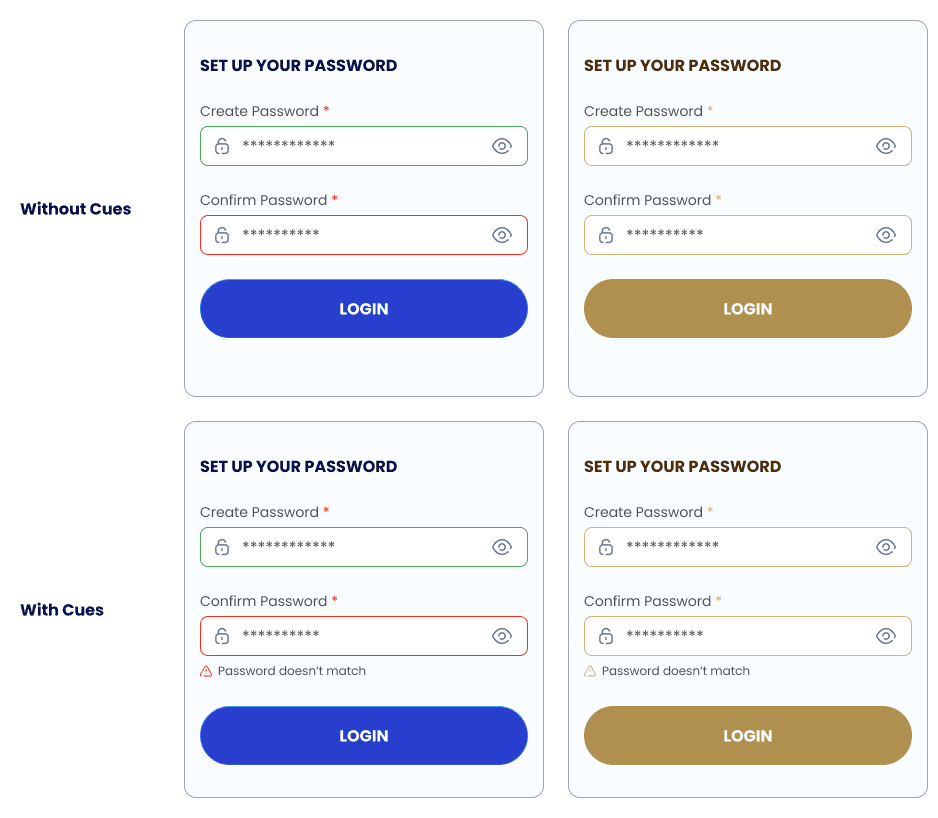
So, when using colour to convey meaning (like warning users about missing documents), always make sure there’s a backup, like an icon or text label. Accessibility isn’t just a compliance checkbox—it’s a commitment to removing barriers, enhancing usability, and making your platform intuitive for everyone. By designing inclusively, you not only serve a broader audience but also demonstrate a thoughtful, user-centered approach that builds trust and loyalty among all users.

It’s all about removing guesswork!


5. Provide multiple authentication options
For many, especially first-time users or those unfamiliar with tech, authentication methods like OTPs, passwords, or CAPTCHAs can be a hurdle. Offer simpler, more accessible alternatives like biometric authentication (fingerprint or face recognition) to streamline the login process.

6. Speak their language
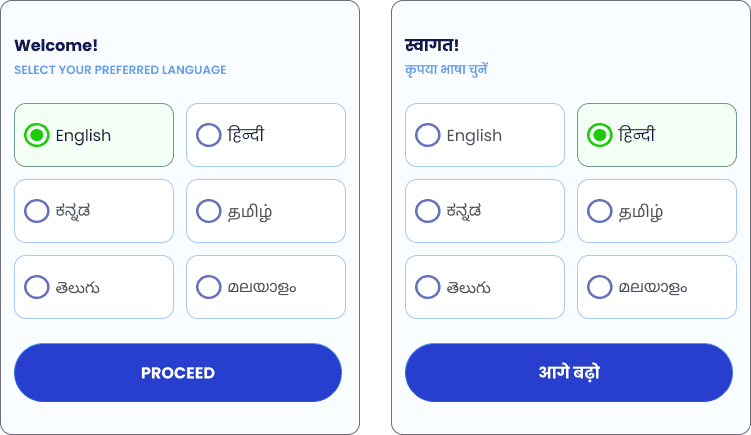
India is a vibrant mosaic of languages, with each region reflecting its own unique linguistic and cultural identity. So why not tap into that diversity? Offering an app in multiple local languages not only broadens reach but also creates a deeper connection with users by showing that you respect their culture and are committed to serving them. Additionally, pay attention to design details, such as ensuring compatibility with scripts written from right to left, to provide a seamless user experience for all. This thoughtful approach not only enhances accessibility but also strengthens trust among diverse user bases.
7. Build community support
While AI chatbots might be all the rage, consider integrating easy-to-access customer service options within the app, such as FAQ or a click-to-call button. Some users, particularly older or less tech-savvy ones, may prefer speaking to a human representative over a frustrating loop of inputs with a bot while dealing with financial queries. This personal touch can enhance the user experience and build trust.
Besides these suggestions, one should keep in mind that accessibility in fintech isn’t just about checking boxes—it’s about empowering real people. As of SIDBI’s 2023 MFI Report, there are approximately 6.6Cr unique live borrowers across the country. Whether it’s a small farmer or a busy shop owner, accessing financial services via digital products should help them, not create an additional hurdle. When we design with care, we’re not just creating apps; we’re opening doors for people who might otherwise feel shut out.

Author: Ashitha Melissa  |  UI/UX Developer Trainee

Ashitha comes with a year of experience at Craft Silicon, bringing a curious mindset and a knack for simplifying complex workflows and creating digital lending systems that work for everyone. She enjoys uncovering user frustrations and transform them into intuitive solutions. Having graduated with a B.Tech in Media Technology with electives including design, marketing and front-end development, she brings a unique perspective that bridges technology and creativity.

The New Era of Gold Loans: Fintech Solutions Leading the Way

India, the world’s most populous country, boasts of a rich cultural heritage where gold jewelry plays a central role. Indian families collectively hold about 25,000 tonnes of gold, valued around Rs 125 lakh crores. The gold loan market, currently valued at Rs 7.2 lakh crores for fiscal 2023-24, is expected to double in the next five years to Rs 14.20 lakh crore, with a projected CAGR of 14.85%.

Gold loans offer a fast way to access funds using gold assets as collateral. Traditionally a reliable option for quick financing, the process has been significantly enhanced by recent advancements in fintech, making it more efficient for both borrowers and lenders.

The advancement of financial technology has brought a seismic shift to this traditional process, making gold loans faster, more efficient, convenient, transparent, and more accessible. Craft silicon’s Nimble Gold Loan solution is a one stop solution for all gold loan needs.

Benefits of Nimble Gold Loan Solution:
  • Faster Loan Processing
  • Improved Underwriting Accuracy
  • Increased Operational Efficiency
  • Improved Risk Management
  • Enhanced regulatory compliance

In today’s rapidly evolving financial landscape, embracing digital transformation is crucial for staying competitive. Craft Silicon’s Nimble Gold Loan solution exemplifies this transformation with its advanced features:

  •  Seamless Digital Onboarding with API Integration:

    Nimble Gold Loan’s fintech solution revolutionizes the gold loan process with its branch-based workflow and doorstep workflow. Through advanced API integrations, customer onboarding is seamless with instant access to critical information, such as E-KYC ID authentication and CB checks. This integration ensures greater transparency and accelerates loan disbursement.

    Nimble Doorstep mobile app allows agents to onboard customers right at their doorstep, thereby enabling borrowers to complete their application from the comfort of their homes. This streamlined process saves time and enhances convenience for both the borrower and the lender.

  • Accurate Gold valuation:

    Nimble gold loan solution provides access to real-time market data for different purity levels (through API based integration gold rate providers) which ensures that the valuation of gold is based on the most current market gold rates. This real-time data helps in accurately determining the loan amount and ensures fair and transparent pricing for borrowers. The solution recommends the eligible loan amount for borrowers after LTV calculation and margin considerations.

  • Enhanced Security & Transparency:

    Nimble Gold loan solution enhances security of the gold loan transactions. In doorstep gold loan, the solution records the geo-coordinates (GPS tracking) of field agent while borrower hand over the gold to the agent. Lenders can perform real time tracking and monitoring of field agents transporting the gold, reducing the risk of theft. Alerts can be triggered in case the field agent deviates from the optimal route. Further, the customer will be notified once the gold is safely stored in the branch vault enabling transparency and increasing borrower trust.

  • Transparent Interest rates:

    Nimble Gold loan solution makes available clear and upfront information about interest rates, charges, and repayment schedule adhering to the RBIs initiative like KFS (Key Fact Statement) and Loan cards. This transparency empowers customers to make informed decisions and avoid hidden fees.

  • Instant Disbursement

    Once the valuation is complete, loan appraisal, booking, sanction and approval can be automated allowing the disbursement to happen instantly directly to customer’s desired bank account within minutes. This rapid turnaround time is a significant advantage compared to traditional lending processes.

  • Repayment Schedule Configuration

    Nimble Gold Loan solution also offers configuration of different repayment schedule options such as Normal EMI, bullet payment or interest only EMI payments based on the need of financial institution.

  • Compliance & Reporting:

    Nimble solution adheres to legal regulations and operational standards as prescribed by Reserve Bank of India (RBI). Further, compliance including AML and KYC requirements and adhering to laws, regulations, and industry standards that govern the lending process have been inbuilt into the solution.

Thus, Nimble gold loan smart features allow financial institutions to provide and manage gold loans seamlessly that supports their growth objectives, efficient loan management, customer satisfaction and adhering to regulatory requirements.

Author: Baliram PA | Business Analyst, NP 

Baliram is a Business Analyst at Craft Silicon, bringing 3.7 years of expertise in the BFSI (Banking, Financial Services, and Insurance) domain. His specialization lies in financial technology integration, where he is committed to advancing financial inclusion and operational efficiency through innovative banking solutions. At Craft Silicon, Baliram works in new product development, with a particular focus on enhancing lending and banking solutions.

Nimble E-Rickshaw Loan Solutions: Paving way for Greener Future

The demand for e-rickshaw loan in India is rising due to their eco-friendly and affordable nature. Craft Silicon offers a streamlined solution for E-rickshaw financing with a fast approval process.


Craft Silicon Nimble stands out for its user-centric approach, offering a seamless and accessible platform for managing E-rickshaw loans:

  • Multi-Platform Accessibility: Users can easily manage their E-rickshaw loans through both mobile and web applications, allowing flexibility and convenience whether they are on the go or at home.
  • User-Friendly Experience: The platform simplifies the entire loan process, catering to both new and existing customers with streamlined loan journeys, from application to repayment.
  • Trusted Partner: With a proven track record of delivering reliable financial solutions, Craft Silicon Nimble has earned the trust of customers and institutions alike.

Craft Silicon Nimble stands out for its user-centric approach, offering a seamless and accessible platform for managing E-rickshaw loans:

  • Multi-Platform Accessibility: Users can easily manage their E-rickshaw loans through both mobile and web applications, allowing flexibility and convenience whether they are on the go or at home.
  • User-Friendly Experience: The platform simplifies the entire loan process, catering to both new and existing customers with streamlined loan journeys, from application to repayment.
  • Trusted Partner: With a proven track record of delivering reliable financial solutions, Craft Silicon Nimble has earned the trust of customers and institutions alike.

The primary goal of Nimble Vehicle Loan Origination is to assess the applicant’s creditworthiness and process the loan approval efficiently, ensuring a seamless experience for both the borrower and the financial institution. Some of Nimble E-rickshaw Loan Origination features are as follows:

  •  E-KYC Verification: Quick verification through Aadhaar, PAN, and Voter ID for applicants, co-applicants, and guarantors.
  •  Flexible Workflow Configuration: Customizable workflows to suit diverse business needs.
  •  Credit Bureau Integration: Seamless access to credit reports for efficient loan approvals.
  •  Business Rule Engine: Configurable rules for approval matrices, handling both small and large loans.
  • Credit Underwriting Matrix: Structured multi-level approvals for due diligence and risk management.


Branch-Based Loan Initiation for vehicle loans begins with the customer’s application at the branch. Key steps include:

  1. Loan Application Initiation – Customer details are collected, followed by a Credit Bureau (CB) check and KYC verification.
  2. Televerification – A call is made to confirm the customer’s information.
  3. Field Investigation – An agent visits the customer’s location to verify submitted details.
  4. Loan Sanction – After successful verification, the loan is sanctioned and a sanction letter is issued.
  5. Loan Confirmation – Final review and verification complete the loan initiation process.

Dealer-Based Loan Initiation for vehicle loans involves a process that transitions between a mobile app and a web platform. The steps for the same are as follows:

  1. Loan Initiation – Dealer enters customer and vehicle details via the mobile app.
  2. Televerification (TVR) – Verification is done through a web-based call.
  3. Field Investigation – Customer and vehicle details are verified on-site using the mobile app with geo tagging.
  4. Loan Sanction Approval – Approval is processed on the web platform after reviewing all data.
  5. Pre-Disbursement Check – A final check is done via the mobile app before disbursement.
  6. Vehicle Delivery Confirmation: Capture delivery documents (insurance, invoice, photos) and integrate with the Vaahan database for accurate vehicle information
  7. Post-Disbursement Check – Web-based verification ensures post-disbursement compliance.

The process alternates between the mobile app and web platform to leverage the strengths of each: the mobile app is used for on-the-go data entry and fieldwork, while the web platform handles more complex verification and approval tasks.
The Nimble E-rickshaw Loan Origination System also includes features like used vehicle valuation, enabling the assessment of vehicle value based on service history, accident records, and market trends.
Craft Silicon’s Nimble Vehicle Loan solution offers a comprehensive, flexible, and efficient solution for E-rickshaw financing, empowering financial institutions with streamlined processes and personalized support.

Author: Sachin S.  |  Associate Business Analyst

Sachin is an Associate Business Analyst at Craft Silicon, with two years of experience in the company. He specializes in financial technology integration and is dedicated to enhancing financial inclusion and operational efficiency through innovative solutions in the banking sector. At Craft Silicon, Sachin works in new product development, focusing on lending and banking solutions.

Mastering Micro Lending: Training required by a BFSI Professional

Introduction: In the ever-evolving world of Banking, Financial Services, and Insurance (BFSI), staying ahead of the curve is crucial. As financial products become increasingly sophisticated, understanding their functionality is key to delivering exceptional service. This blog explores the importance of micro lending products and offers essential training tips for employees to enhance their knowledge and skills.

portrait-indian-man-bazaar (1)

The Importance of Micro Lending in BFSI: Micro lending is not just about extending credit; it’s about empowering individuals and small businesses. For BFSI professionals, understanding micro lending products involves knowing their functional aspects, including:

  • Loan Structure: Understanding the typical loan amount which is provided in the joint liability group set up, the term, and interest rates.
  • Risk Assessment: It involves a lot of criterias and application of external and internal business rule engines for assessments as we are evaluating the creditworthiness of borrowers with limited financial history.
  • Regulatory Compliance: Ensuring adherence to lending regulations. Even regulations w.r.t providing Microfinance loans are different than providing individual loans. It involves calculation of household income and obligations and household Fixed Obligations to Income rations (FOIR).
  • Customer Relationship Management: Building trust and supporting borrowers throughout the loan lifecycle.

The Importance of Micro Lending in BFSI: Microlending is not just about extending credit; it’s about empowering individuals and small businesses. For BFSI professionals, understanding micro-lending products involves knowing their functional aspects, including:

  • Loan Structure: Understanding the typical loan amount which is provided in the joint liability group setup, the term, and interest rates.
  • Risk Assessment: It involves a lot of criteria and the application of external and internal business rule engines for assessments as we evaluate the creditworthiness of borrowers with limited financial history.
  • Regulatory Compliance: Ensuring adherence to lending regulations. Even regulations regarding providing Microfinance loans are different than providing individual loans. It involves the calculation of household income and obligations and household Fixed Obligations to Income rations (FOIR)
  • Customer Relationship Management: Building trust and supporting borrowers throughout the loan lifecycle.

Key Functional Aspects of Micro Lending Products:

  1. Product Design and Features:
    • Loan Amounts and Terms: Microloans usually range from a few thousand to up to two lakh rupees of combined lending to a joint liability group, with terms that can vary from a few weeks to several months.
    • Interest Rates: These are often higher than traditional loans due to the increased risk and administrative costs.
  2. Application and Approval Process:
    • Simplified Application: The process is generally streamlined to facilitate quick access for borrowers.
    • Risk Assessment: Non-traditional credit scoring models may be used, including social and behavioural factors.
  3. Repayment Strategies:
    • Flexible Payments: Repayment schedules may be adapted to the borrower’s income flow.
    • Early Repayment Incentives: Some products offer benefits for early repayment.
  4. Technology Integration:
    • Digital Platforms: Many micro-lending products are supported by robust Loan Origination and Loan Management Systems which are equipped with BREs tailored to assess microlending complexities that streamline the application and management processes.
    • Data Analytics: Leveraging data to improve loan offerings and assess borrower behaviour.

Training Tips for BFSI Professionals:

  1. Deep Dive into Product Features:
    • Ensure that employees thoroughly understand the specifics of each micro lending product. This includes loan terms, interest rates, and repayment schedules.
  2. Emphasize Customer Centricity:
    • Train employees on how to communicate effectively with potential borrowers, addressing their concerns and providing clear information about loan terms and conditions.
  3. Stay Updated on Regulations:
    • Regularly update training materials to reflect the latest regulatory changes and compliance requirements.
  4. Leverage Technology:
    • Equip employees with the knowledge to use digital tools and platforms effectively, enhancing their ability to manage micro loans and assess risk.
  5. Role-Playing and Case Studies:
    • Use practical scenarios and role-playing exercises to help employees practice handling different types of borrower interactions and loan situations.

Micro lending is a powerful tool in the BFSI sector, driving financial inclusion and supporting economic growth. By investing in comprehensive training for your team, you ensure that they are well-equipped to manage these products effectively and deliver exceptional service to borrowers.

Stay tuned for more insights and training tips to keep your BFSI team ahead of the game in this dynamic sector!

Author: Aslam Basha | Product Trainer

Aslam Basha holds an M.Com postgraduate degree and has more than 3 years of experience in the banking domain. He is dedicated to empowering individuals and organizations through effective training experiences. Aslam leads dynamic training sessions for internal teams, focusing on making complex product details easy to understand. He enjoys creating engaging training materials, like presentations, video tutorials, and e-learning modules, to ensure everyone learns smoothly.